

7 Supplements for Joint Pain
Are your joints feeling a little creaky? These research-backed joint supplements may help ease pain and stiffness.
By Michelle Crouch, AARP
If your knees creak and pop or your hips feel sore after a long car ride, think of it as your joints reminding you how hard they’ve worked for you over the years. But painful joints can also make it harder for you to stay active and enjoy the things you love, so it’s important to keep them functioning without pain.
To protect and strengthen your joints, doctors recommend regular movement, a balanced diet and maintaining a healthy weight.
Supplements can also provide extra support, often with fewer risks than medications, says Dr. Victoria Maizes, founding executive director of the Andrew Weil Center for Integrative Medicine at the University of Arizona. She is also the author of the forthcoming book Heal Faster, publishing in January 2026 in collaboration with AARP Books.
Nonsteroidal anti-inflammatory drugs (NSAIDs) like ibuprofen (Advil, Motrin), naproxen sodium (Aleve) and celecoxib (Celebrex) can be remarkably effective for joint pain, she says. However, chronic use in older adults can increase the risk of kidney problems, stomach irritation or bleeding ulcers, making these medications less ideal for long-term use.
“That’s a reason why it’s wonderful that we have some other options, that we don’t have to say we should go to NSAIDs first,” Maizes says.
Here is a closer look at some joint supplements backed by solid science. Maizes recommends trying only one at a time, giving it a few weeks and seeing if you notice a difference.
A note about using supplements
Supplements sometimes get a bad rap because they aren’t regulated as strictly as pharmaceutical drugs, but that doesn’t mean you should rule them out, Maizes says.
She recommends asking your doctor for recommended brands or choosing products with a USP or NSF certification seal. The seal indicates that the product has been independently tested for quality and purity and that what’s inside the bottle matches what’s on the label.
Because some supplements can interact with prescription drugs, always check with your doctor before adding a supplement. And, similar to over the counter and prescription medications, supplements can cause side effects, underscoring the importance of working with a health care provider before taking them.
1. Turmeric/curcumin
Turmeric, the golden spice that gives mustard and curry their vibrant color, has been used for centuries to treat inflammation and pain, Maizes says. Its active ingredient, curcumin, is an antioxidant and anti-inflammatory compound.
Maizes says turmeric is one of her “first choices for joint pain” because of its long history and good studies showing its effectiveness.
A 2021 review of 10 high-quality studies published in BMJ Open Sport & Exercise Medicine found that turmeric/curcumin reduced pain and improved function in people with knee osteoarthritis. Three of the studies compared turmeric directly with NSAIDs and found that turmeric was equally effective, without the concerning side effects.
Since turmeric itself contains only a small amount of curcumin, the Arthritis Foundation suggests opting for curcumin supplements. For best results, take a 500-milligram capsule twice daily with a meal that includes some healthy fats.
It may take six to 12 weeks to notice the full effect, Maizes says, so don’t give up if you don’t get immediate relief. In addition to easing joint pain, turmeric may help ease acid reflux, improve digestion and even lift your mood.
Because of drug interactions, your doctor may not recommend curcumin if you take a blood thinner, pain reliever or chemotherapy or immunosuppressive medication.
Turmeric and curcumin have been linked to liver injury, which is another reason why it’s always important to take supplements under your doctor’s supervision.
2. Fish oil (omega-3 fatty acids)
Fish oil supplements, rich in omega-3 fatty acids, can help calm inflammation and ease joint pain, Maizes says. A 2023 meta-analysis of nine trials involving more than 2,000 people with osteoarthritis found that those who took omega-3 supplements reported less pain and better movement compared with those who took a placebo.
Fish oil “slows the progression of cartilage damage, so you’re actually preventing further problems,” Maizes explains.
You can get omega-3s naturally by eating fatty fish like salmon, mackerel or sardines at least twice per week. If you don’t eat many foods with omega-3s, a fish oil supplement can be a convenient way to boost your intake.
Look for products with at least 1 gram of EPA and one gram of DHA per unit, Maizes advises. (Vegetarians can choose algae versions.)
Because fish oil can go rancid, Maizes recommends storing it in the refrigerator or freezer and tossing it if it smells like paint thinner. If you experience unpleasant “fish burps,” try taking it with a meal or switch to a flavored liquid version, which she says is surprisingly tasty.
Your doctor may not recommend fish oil if you take a blood thinner or blood pressure medication, or if you’ve been diagnosed with an irregular heart rhythm.
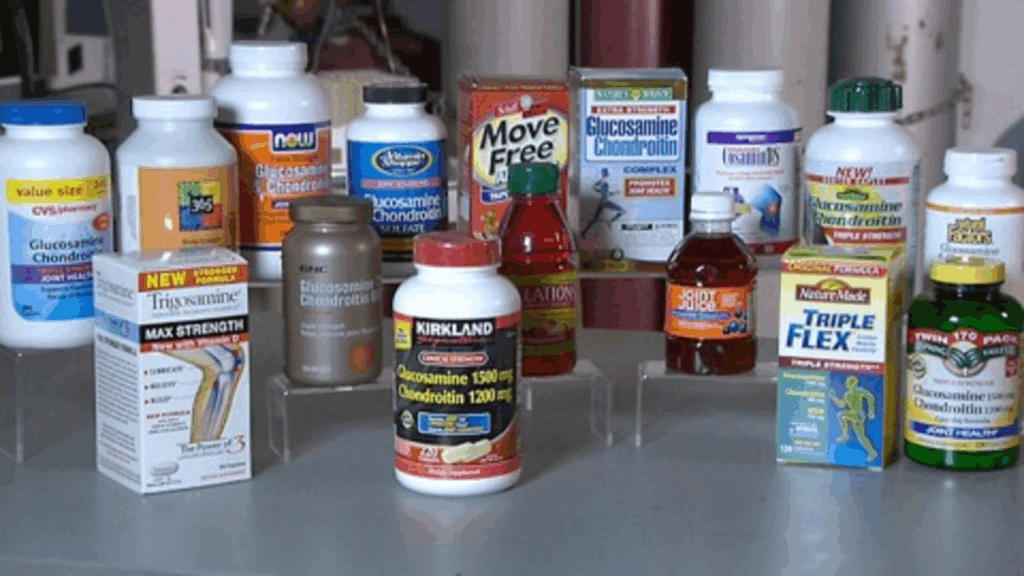
3. Glucosamine and chondroitin
Glucosamine and chondroitin are substances naturally found in cartilage, the tissue that cushions joints. They are often combined in one supplement, and there is evidence they can reduce joint pain and slow cartilage breakdown, says Richard J. Bloomer, director of the Center for Nutraceutical and Dietary Supplement Research at the University of Memphis.
A 2024 meta-analysis of 25 randomized controlled trials found that both supplements offer benefits for people with knee osteoarthritis. Chondroitin was associated with reduced pain and improved physical function, while glucosamine significantly slowed joint space narrowing, suggesting it may help preserve cartilage.
However, combining the two did not show additional benefits beyond using either supplement alone, the researchers found. This was possibly due to the limited number of high-quality studies on the combination, they said.
Typical daily dosages are 1,500 mg of glucosamine and 1,200 mg of chondroitin. Your doctor may not recommend them if you have diabetes or glaucoma or take a blood thinner like warfarin.
4. MSM (Methylsulfonylmethane)
MSM is a naturally occurring sulfur compound found in plants and animals that may improve pain and function in people with osteoarthritis, Bloomer says.
In a 2023 randomized, double-blind study involving 88 healthy participants, those who took MSM daily for 12 weeks experienced noticeable improvements in knee discomfort, compared with those who took a placebo. Another small study found that a combination of MSM-glucosamine-chondroitin improved joint health more effectively than glucosamine and chondroitin alone.
Although larger studies are needed, Bloomer says the literature is promising. He recommends a dosage of 2 to 3 grams a day. Your doctor may not recommend MSM if you take blood thinners.
5. Collagen
Collagen is a protein made of amino acids that holds your cells and tissues together. As you age, the amount of collagen your body produces declines, which can contribute to joint stiffness and pain.
Different types of collagen have been studied as a potential treatment for osteoarthritis, with largely positive results, according to the Arthritis Foundation. One 2020 meta-analysis of 41 studies found that collagen helped reduce pain and improved cartilage repair, no matter the dose or type of collagen.
Bloomer says a newer form, undenatured type 2 collagen, looks particularly promising for joint health, although more research is needed.
“There actually are some pretty solid studies,” he says. A 2025 analysis published in the Annals of Medicine analyzed 12 studies on undenatured type 2 collagen and found that all of them reported improvements.
6. Boswellia serrata extracts (frankincense, salai guggal)
Boswellia serrata, a tree native to India, Northern Africa and the Middle East, has long been used in Ayurvedic medicine to ease pain. Extracts from the tree’s resin, also known as frankincense, contain active compounds that help block inflammation and may protect cartilage from breaking down, Maizes says.
In a 2025 review and meta-analysis of joint supplements for knee osteoarthritis, a product that combines Boswellia serrata extracts with other plant compounds, called Aflapin, was found to be the most effective supplement for reducing pain and one of the top three for relieving stiffness.
The Arthritis Foundation recommends looking for “5-Loxin” or “AKBA” on the label to ensure you’re getting a formula with the most effective compound from Boswellia serrata. Maizes suggests a dosage of 100 to 250 mg a day.
Keep in mind that Boswellia can increase side effects from other drugs, such as antidepressants, anti-anxiety medications, ibuprofen or immunosuppressant drugs. Boswellia may also increase your risk of bleeding if you take it with blood thinners.
7. S-adenosyl-l-methionine (SAM-e)
S-adenosyl-l-methionine, better known as SAM-e, is a compound found naturally in the body. It can be helpful for osteoarthritis because it controls inflammation, Maizes says.
Research is limited and mixed, but some studies show that SAM-e works as well as nonsteroidal anti-inflammatory drugs like Advil, Maizes says. However, it takes more time to work.
“You take one Advil, you may feel better,” she says. “But for SAM-e, it takes about 30 days.”
SAM-e may offer some other perks — it’s believed to reduce depression and improve liver function, Maizes says. It’s not recommended if you have bipolar disease, since the supplement may increase anxiety and mania, according to the Mayo Clinic. It’s also not recommended for some people with a weakened immune system.
13 Health Problems That Can Cause GI Issues
Is your bloating, nausea, or diarrhea a sign of something more serious?
By Kristen Fischer, AARP
Is it a stomachache or something more worrisome?
While discomfort in your gastrointestinal (GI) tract — the path that runs through your entire digestive system — can often be temporary and harmless, in some cases it can signal a more serious medical problem.
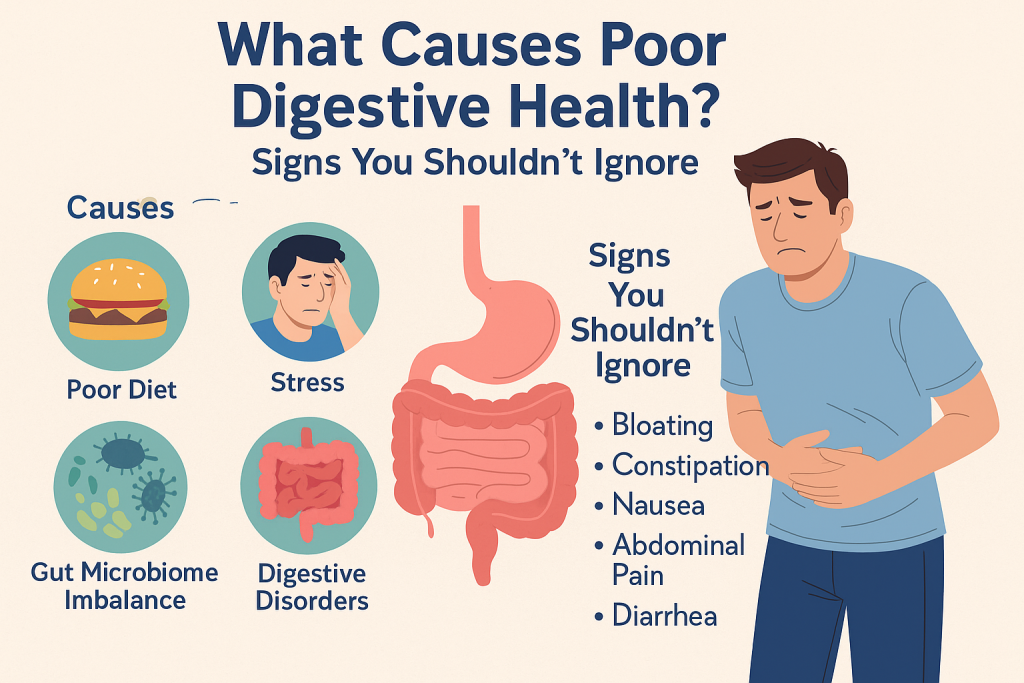
Bloating, diarrhea, constipation, abdominal pain, heartburn, nausea, vomiting, gas, and other common GI symptoms can result from a number of health issues, ranging from stress to GI diseases like ulcerative colitis. Infections and intermittent issues, such as food intolerance or medication side effects, can also trigger GI problems, says Dr. Alan Moss, chief scientific officer of the Crohn’s & Colitis Foundation.
If you experience GI issues, here is a look at what could be causing them — and the symptoms that warrant a conversation with your health care provider.
13 health conditions that can upset your GI tract.
1. Gastritis:
Also known as inflammation of the stomach lining, bacteria usually cause gastritis. Your risk for it can go up from factors like aging, stress, regular nonsteroidal anti-inflammatory drug (NSAID) use and drinking too much alcohol. Symptoms include nausea, vomiting, fullness in your upper abdomen after eating, and indigestion (a gnawing or burning ache or pain in the same area).
2. Gastroenteritis:
This condition can be caused by a bacterial, viral, parasitic, or fungal infection, or it can result from food poisoning or chemicals. It differs from gastritis in that it involves the entire GI tract. Symptoms include nausea, vomiting, diarrhea, fever, chills, body ache, fatigue, and abdominal cramping.
3. Thyroid disorders:
These occur when your thyroid gland produces too much or too little of a given hormone. Moss says these disorders can disrupt gut motility — muscle and nerve activity in the digestive tract — leading to constipation or diarrhea. Examples of common thyroid disorders include hypothyroidism, hyperthyroidism, and Hashimoto’s disease. Depending on which type of disorder you have, other symptoms may include tiredness, heavy periods, trouble sleeping and feeling clammy.
4. Diabetes:
Chronic high blood sugar from diabetes can cause nerve damage and lead to gastroparesis, a digestive disorder that occurs when your stomach does not empty properly. Symptoms include nausea, vomiting, abdominal pain, bloating, and feeling full shortly after starting to eat.
5. Stress:
Hormones, nerves and gut bacteria link your brain and your gut. Stress triggers your fight-or-flight response, which produces stress hormones that can accelerate or slow down food in your digestive tract. This can lead to symptoms like diarrhea or bloating.
6. Gallbladder problems:
Gallstones — hardened pieces of digestive fluid that can develop in your gallbladder — can cause sudden and worsening pain in the upper right or center part of your abdomen, pain between your shoulder blades, nausea, and vomiting. They do not always need to be treated but can lead to blockage in the organ and gallbladder inflammation (cholecystitis) which can cause organ rupture or be life-threatening. Gallbladder inflammation symptoms are like those of gallstones and include tenderness when touching the area.
7. Alpha-gal syndrome:
This tick-borne illness causes you to develop a food allergy to some meats. Within a few minutes or hours of eating pork, beef or dairy, a person with the allergy can develop hives or a stomachache. Symptoms like diarrhea and abdominal cramping can also occur. “It can look like irritable bowel syndrome or acute foodborne illness,” explains Dr. Sarah McGill, an associate professor of medicine in the division of gastroenterology and hepatology at the University of North Carolina School of Medicine.
8. Cannabis hyperemesis syndrome:
This condition, associated with chronic cannabis use, can cause abdominal pain, nausea and vomiting, McGill says. “Cannabis is becoming really broadly consumed, and people can go undiagnosed because the providers may or may not know that they’re actually using pot or other cannabis substances.” McGill adds that it is important to let your doctor know if you are using a cannabis product.
9. Autoimmune diseases:
Lupus and rheumatoid arthritis (RA) may cause nausea, abdominal pain or vomiting, Moss notes. Symptoms of lupus may include fever, joint pain, and fatigue, while RA can lead to loss of appetite, joint stiffness or painful, warm joints.
10. Infections:
Bacterial and viral infections can lead to nausea, abdominal pain or vomiting, Moss says. In fact, GI symptoms can be one way to tell if a respiratory illness is COVID-19, since illnesses like the flu and a cold do not typically cause stomach discomfort in adults.
11. Food intolerances:
Not being able to break down certain food components (like lactose or gluten) can cause discomfort in your GI tract. Bloating, nausea, heartburn, gas, and diarrhea are just a few symptoms you may experience if you have food intolerance. A test is available to detect lactose intolerance, but other intolerances do not have simple diagnostic tests. Pay attention to symptoms and what you have eaten when they occur. Your doctor may see if eliminating food prevents symptoms, which could indicate that food intolerance is the culprit.
12. Medicines:
Drugs you may take for your heart, blood pressure or mental health can affect the stomach and intestines, Moss says. Specifically, NSAIDs like ibuprofen and naproxen are a common cause of GI upsets like diarrhea and abdominal pain, which can cause ulcers to form in the stomach or even in the colon, McGill says. Magnesium supplements can also cause diarrhea. It may make sense to discontinue a medication but talk to your doctor first. “A good rule of thumb is that the side effects of a medication or supplement should not be more bothersome or harmful to the patient than the condition that the medication is treating,” McGill says.
13. GI disorders and diseases:
Celiac disease, gastroesophageal reflux disease (GERD), diverticulitis, colon cancer, Crohn’s disease, and colitis are just a few ailments that produce an array of GI symptoms. A lesser-known GI and autoimmune disease, microscopic colitis, is marked by colon inflammation that does not show up on a colonoscopy. It is common in older women and causes diarrhea, McGill says. The condition can lead to cramping, belly pain, bloating, gas, diarrhea, or constipation.
What to do if you experience GI symptoms
Mild symptoms like temporary heartburn, brief bloating or a short-term change in bowel habits can often be managed at home, Moss says.
Most symptoms should improve in about seven to 10 days, but if they continue for more than 30 days, you may want to see your primary care doctor, says Dr. Michael A. Pezzone, chief of gastroenterology at the University of Pittsburgh Medical Center’s Mercy location.
Signs that warrant urgent medical attention include persistent blood in the stool, severe or continuous abdominal pain, significant and unexplained weight loss, persistent vomiting, high fever and dehydration, Moss says. Seek emergency care if you vomit blood or what looks like coffee grounds, if food becomes stuck as you are swallowing, or if you have yellow skin or eyes, Pezzone adds.
“Sudden changes in bowel habits — especially if accompanied by these symptoms — or feeling too weak to stand may require evaluation in an emergency setting,” Moss says.
Your doctor may order a colonoscopy if you have persistent blood in your stool or chronic diarrhea and may recommend imaging for pain or fever. Stool tests can pinpoint germs if an infection is suspected, Moss adds. Your doctor may call for an upper endoscopy if you have difficulty swallowing, Pezzone says.
If your doctor finds inflammation, ulcers, or visible changes in the digestive tract, it may indicate that you have a GI disease like inflammatory bowel disease. If the tests for such diseases are negative, it can suggest your symptoms may come from other sources, such as another disease or medication, Moss says.